The Albums That Refused to Be Forgotten: R&B's Cult Classics and Why They Matter More Now Than Ever
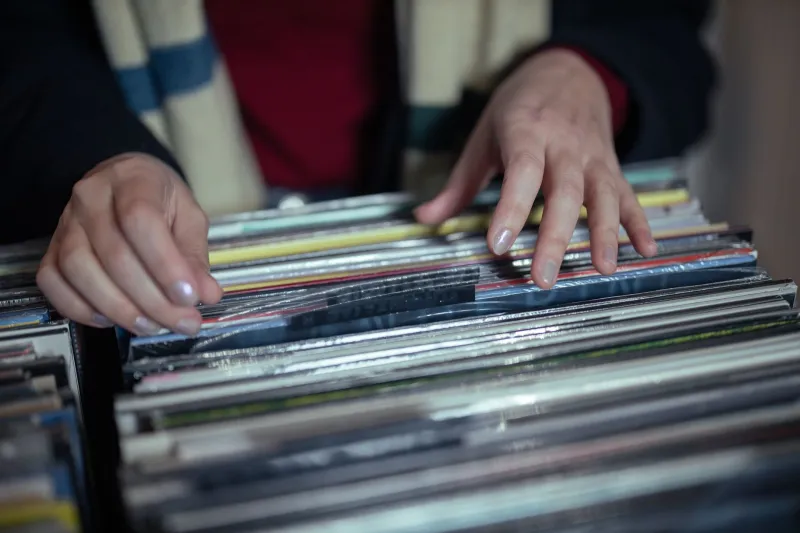
There's a particular kind of loyalty that forms around an album that the world overlooked. It's not the casual appreciation you have for a record that was everywhere when it dropped — it's something more personal, more protective. When you discovered a project that somehow slipped through the cracks, it feels like finding something that was meant for you specifically. Like the music was waiting.
R&B has always had a complicated relationship with commercial success. The genre produces some of the most emotionally sophisticated, sonically adventurous music in American culture, and the industry has a long history of not knowing what to do with it — especially when it doesn't fit neatly into whatever trend is moving units that quarter. Albums get dropped with little promotion, artists get dropped from labels, and projects that should have been celebrated get quietly buried.
But here's what the industry never accounted for: the right listener. The one who finds the album three years later, or ten, or twenty. The one who plays it for a friend who plays it for another friend, and suddenly a record that sold modestly in its original moment has a whole new life. Cult classics aren't accidents. They're the result of music that was simply too good — too specific, too honest, too itself — to stay gone.
What Makes an Album a Cult Classic
Not every overlooked album earns cult status. There's a distinction between a record that got ignored because it wasn't ready for its moment and one that got ignored because the industry didn't know how to sell it. Cult classics almost always fall into the second category. The music is there. The vision is there. What's missing is the machinery to get it to the people who needed it — and eventually, the music finds those people anyway.
There's also usually something about cult R&B albums that resists easy categorization. They're too experimental for mainstream radio but too melodic for the underground. Too personal to be broadly commercial but too polished to be dismissed as a demo. They exist in a space that the industry doesn't have a box for, which is exactly why devoted fans claim them so fiercely. The album belongs to the listeners in a way that blockbuster records never quite do.
And the fans who find these albums tend to go deep. They know the track listing by heart, including the interludes. They have opinions about the sequencing. They can tell you exactly where they were the first time a particular song hit them. That level of intimacy with an album is rare, and it creates a community — sometimes a small one, but a committed one — that keeps the music alive through sheer insistence.
Streaming Changed Everything (In the Best Way)
For most of recorded music history, if an album didn't sell, it disappeared. Physical copies went out of print. Radio wouldn't play it. The only way to hear it was to know someone who had it, or to get lucky at a record store. Cult status was real but limited — you could love an album deeply and still struggle to share it with anyone who hadn't already found it on their own.
Streaming broke that model completely. Now an album that was pressed in limited quantities in 2001 is sitting right next to the biggest releases of 2024, equally accessible, equally discoverable. An algorithm recommendation, a playlist placement, a single TikTok sound — any of these can introduce a twenty-year-old record to an audience that wasn't born when it was made. The playing field isn't level, but it's closer than it's ever been.
For R&B cult classics specifically, this has been transformative. Albums that existed primarily in the memories of devoted fans and the occasional music journalist deep dive are now racking up streaming numbers that their original labels never imagined. New listeners are discovering them without any of the context that surrounded their original release — no chart position, no critical narrative, no sense of whether they were supposed to matter. Just the music, standing on its own. And it's standing.
Why These Albums Redefine How We Understand an Artist
Here's what's interesting about cult classics in the context of an artist's catalog: they often reveal more about who that artist actually is than their biggest hits do. Commercial success requires compromise — with label expectations, with radio formats, with whatever the market wants in a given moment. A cult album, especially one that came out of a period of creative freedom or label indifference, is often the purest expression of an artist's actual vision.
When fans discover a cult classic and then work backward through an artist's catalog, they often find that it reframes everything. The bigger hits start to make more sense, or less sense, depending on the direction. You start to hear what the artist was reaching for in their mainstream work, and you understand why some of it landed and some of it didn't. The cult album becomes a key — not to a locked door, but to a different way of reading the whole story.
This is especially true in R&B, where artists are often pushed toward a certain kind of accessibility that doesn't always serve their best work. The cult classic is frequently the record where they ignored that pressure, or where the label ignored them long enough for them to make something true. And truth, in music, has a very long shelf life.
The Community That Keeps These Albums Alive
There's something worth celebrating about the people who champion overlooked music. They're not waiting for validation. They're not holding out for a Grammy nomination or a critical reassessment. They just know what they know — that this album matters, that it deserves to be heard, that the right people need to find it.
Social media has given these communities a platform they never had before. The fan who used to press burned CDs on friends can now build a playlist with a hundred followers, or write a thread that goes viral, or record a video essay that introduces an album to thousands of people who'd never heard of it. The cult is still a cult — intimate, devoted, a little possessive — but it has a loudspeaker now.
And the artists? Most of them know. Most of them have felt the shift as streaming numbers climb on a record that was written off years ago, as younger artists cite them as an influence, as the conversation about their legacy starts to include work that was once footnoted or forgotten. It's a kind of justice that the industry didn't plan and couldn't have predicted.
Some albums just refuse to be forgotten. And honestly, that says everything about the music — and everything about the people who loved it first.