When the Feature Took Over: The R&B Verses That Rewrote the Whole Song
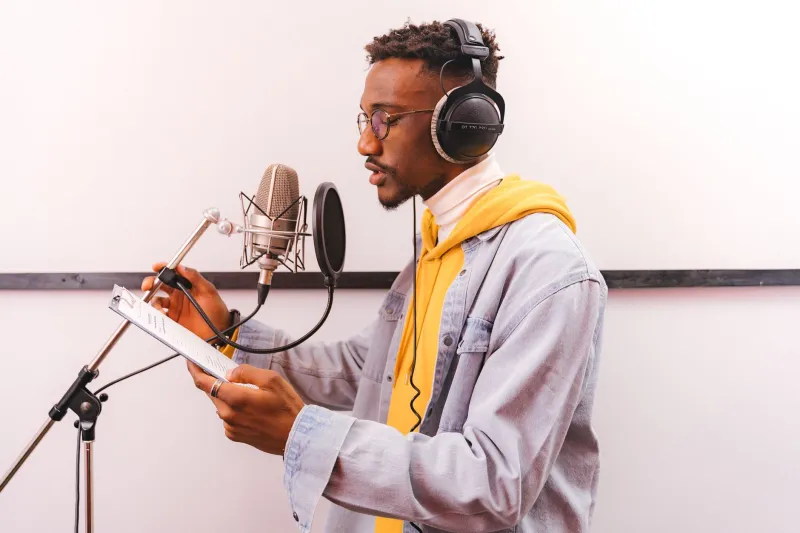
There's a particular kind of magic that happens when a featured artist walks into a song and — without permission, without warning — makes it theirs. Not in a disrespectful way. In the way that only happens when someone brings something so specific, so undeniable, that the original track can't help but bend around them. The song becomes a before-and-after story. And honestly? Sometimes the after is the only version anybody remembers.
This isn't about features that were good. Plenty of features are good. This is about the ones that fundamentally changed what you thought the song was about — the ones that shifted the emotional weight, flipped the energy, or added a layer of meaning the original artist maybe didn't even intend. The verses that made you rewind. The ad-libs that became the hook. The moments that turned a solid album cut into a cultural conversation.
What It Actually Means to Transform a Track
Let's be clear about something first: there's a difference between a feature that elevates a song and one that transforms it. Elevation means the track gets better. Transformation means it gets different. The trajectory changes. The emotional center of gravity shifts. You walk away from the song with a completely new understanding of what it was trying to say — even if the original artist never saw it coming.
Think about what that requires. A featured artist has to come in, read the room, and then decide — consciously or not — to expand the walls rather than just decorate them. They have to bring a perspective so distinct that it recontextualizes everything that came before their verse. That's a rare skill. Most people play it safe on someone else's record. The truly great ones play it true.
The Verse That Became the Conversation
One of the clearest examples of a feature-as-transformation lives in the history of late-90s and early-2000s R&B, when the genre was at its most collaborative and competitive. Artists would hand over their bridge or their second verse to someone whose energy was completely different from their own — and sometimes the contrast was exactly what the song needed to crack open.
Think about how many tracks you know primarily because of who showed up in verse two. You might not even remember the original artist's name without first humming the guest's bars. That's not an accident and it's not disrespect — it's just what happens when someone walks in carrying more heat than the room expected.
The ad-lib is another conversation entirely. Some of the most iconic moments in R&B history aren't even written lines — they're the exhale between phrases, the background moan, the improvised run that somehow says more than the chorus. Those moments don't get writing credits. They barely get acknowledged. But they live in our bodies. We hum them before we even realize we're doing it.
When the Feature Becomes the Legacy
Here's where it gets complicated: what happens to the original artist when their song gets redefined by someone else's contribution? Sometimes it's a gift — the track reaches an audience it never would have found, and everybody wins. Sometimes it stings a little, because the thing you made gets remembered for someone else's fingerprints on it.
But in R&B specifically, there's a long tradition of generosity in collaboration. The genre was built on call-and-response, on harmony, on the idea that music is better when more than one voice shows up fully. A feature that takes over a song isn't a betrayal of that tradition — it's an extension of it. It's what happens when everyone in the room is giving everything they have.
The songs that get transformed by their features tend to have something in common: the original track had to be good enough to hold the weight. A weak foundation can't support a verse that big. The feature takes over because there was something worth taking over — a production, a melody, a concept that was already reaching for something. The featured artist just reaches a little further.
Why We Keep Coming Back to These Moments
Streaming changed the way we experience features. On an album, a guest verse existed in context — you got to it by living through the tracks before it. On a playlist or a single, the feature arrives immediately, sometimes before you even know who the original artist is. That changes the power dynamic in interesting ways. It also means that transformative verses are getting discovered out of order, by people who come to them without any preconceptions about what the song was supposed to be.
That's actually kind of beautiful. A verse that was recorded twenty years ago as a contribution to someone else's vision gets heard today as a standalone statement, a piece of artistic identity that stands on its own. The song keeps finding new listeners and new meanings. The transformation never really stops.
So the next time you're deep in a playlist and a feature hits different — like, really different, in the way that makes you stop what you're doing and just listen — pay attention to that feeling. That's not just a good verse. That's the sound of someone rewriting a song in real time. And once you hear it that way, you can't unhear it.